INTRODUCTION
A meat-based roulade typically consist of a slice of steak rolled around a filling such s cheese,
vegetables, or other meat. A roulade, like a braised dish, is often browned then covered with wine or
stock and cooked.
Roulade is commonly secured with toothpicks, metal skewer or a piece of string. The roulade is then
sliced into rounds and served.
In Italian Cuisine, roulades are known as Involtini. Involtini can be thin slices of beef, pork or chicken
rolled with fillings. Each involtino is held together by a wooden toothpick, and the dish is usually
served in various sauces.
PREPARATION BEFORE CLASS
As a student, I arrived college to help the COD incharge to prepare all the ingredients that is
needed to cook. After that, COD asked Chef Putra for the key of the gas house to turn on the
gas.
As my colleagues arrived soon after that, the COD incharge checked our attire and
cleanliness before allowing them to enter the kitchen. He assured that we wear clean, white
chef jacket with apron and with clean and shorted nails.
STANDARD RECIPE FOR BEEF TENDERLOIN ROLLS
- Beef
- Seasoning
- Onion
- Flour
- Mustard
- Dill pickle
- Tomato paste
- Beef stock
- Ham
COOKING METHOD
1. Season beef slices with salt and pepper. Spread thinly with mustard.
2. Using about 2/3 of the onion, sprinkle beef slices evenly.
3. With onion, bacon, and pickle, roll up slices and secure with skewers.
4. Heat shortening in a medium skillet. Add beef rolls, sauté until well brown. Turn
occasionally.
5. Add remaining onion, sautee until light golden brown.
CONCLUSION
In the end of our practical lesson, we learned how to properly secure the beef rolls and the
‘perfect’ cooking method of tenderloin beef rolls
Wednesday, 5 September 2018

REPORT WEEK 5
INTRODUCTION
A Cordon Bleu is a dish of meat wrapped around cheese then breaded and pan fried or deep-fried. For chicken cordon bleu, chicken breast is used instead of veal. Ham cordon bleu is ham stuffed with mushrooms and cheese. The origins of cordon bleu as a schinitzel filled with cheese are in Brig, Switzerland, probably about the 1940s. The earliest reference to ‘chicken cordon bleu’ in The New York Times is dated to 1967, while similar veal recipes are found from at least 1955. There are many variations of the recipe, all of which involve a cutlet, cheese and meat. A popular way to prepare chicken cordon bleu is to butterfly cut a chicken breast, place a thin slice of ham inside, along with a thin slice of a soft, easily melted cheese such as Swis.
The chicken breast is then rolled into a roulade, coated in bread crumbs and then deep fried. Other variations exist with the chicken baked rather than fried. Other common variations include omitting the bread crumbs, wrapping the ham around the chicken or using bacon in place of ham. In largely Muslim-populated countries, the halal versions of chicken cordon bleu are also popular such as that chicken is rolled around beef or mutton instead of pork product
PREPARATION BEFORE CLASS
As a student, I arrived college to help the COD incharge to prepare all the ingredients that is needed to cook. After that, COD asked Chef Putra for the key of the gas house to turn on the gas. As my colleagues arrived soon after that, the COD incharge checked our attire and cleanliness before allowing them to enter the kitchen. He assured that we wear clean, white chef jacket with apron and with clean and shorted nails.
STANDARD RECIPE FOR CHICKEN CORDON BLEU
- Chicken breast
- Ham
- Salt
- Cheese
- Ground black pepper
- Breadcrumbs
- Butter
- Paprika
COOKING METHOD
1. Flatten chicken to ¼ inch thickness, top each with ham and cheese.
2. Roll up and tuck in ends, secure with toothpicks.
3. Place butter in a shallow bowl. In another shallow bowl, combine the breadcrumbs, salt and paprika.
4. Dip chicken in butter then roll in crumb mixture.
5. Transfer to greased 8 inch square baking tray. Bake at 350oC for 40-45 minutes or until chicken is no longer pink.
6. Discard toothpicks and ready to be served.
CONCLUSION
While preparing to roll the chicken cordon bleu, we learned that chicken cordon bleu are slightly different from chicken roulade. Despite it can have the same filling, but the cooking method and skills used are different. In my opinion, this dish is easy to prepare and can be eaten during lunch and dinner.
A Cordon Bleu is a dish of meat wrapped around cheese then breaded and pan fried or deep-fried. For chicken cordon bleu, chicken breast is used instead of veal. Ham cordon bleu is ham stuffed with mushrooms and cheese. The origins of cordon bleu as a schinitzel filled with cheese are in Brig, Switzerland, probably about the 1940s. The earliest reference to ‘chicken cordon bleu’ in The New York Times is dated to 1967, while similar veal recipes are found from at least 1955. There are many variations of the recipe, all of which involve a cutlet, cheese and meat. A popular way to prepare chicken cordon bleu is to butterfly cut a chicken breast, place a thin slice of ham inside, along with a thin slice of a soft, easily melted cheese such as Swis.
The chicken breast is then rolled into a roulade, coated in bread crumbs and then deep fried. Other variations exist with the chicken baked rather than fried. Other common variations include omitting the bread crumbs, wrapping the ham around the chicken or using bacon in place of ham. In largely Muslim-populated countries, the halal versions of chicken cordon bleu are also popular such as that chicken is rolled around beef or mutton instead of pork product
PREPARATION BEFORE CLASS
As a student, I arrived college to help the COD incharge to prepare all the ingredients that is needed to cook. After that, COD asked Chef Putra for the key of the gas house to turn on the gas. As my colleagues arrived soon after that, the COD incharge checked our attire and cleanliness before allowing them to enter the kitchen. He assured that we wear clean, white chef jacket with apron and with clean and shorted nails.
STANDARD RECIPE FOR CHICKEN CORDON BLEU
- Chicken breast
- Ham
- Salt
- Cheese
- Ground black pepper
- Breadcrumbs
- Butter
- Paprika
COOKING METHOD
1. Flatten chicken to ¼ inch thickness, top each with ham and cheese.
2. Roll up and tuck in ends, secure with toothpicks.
3. Place butter in a shallow bowl. In another shallow bowl, combine the breadcrumbs, salt and paprika.
4. Dip chicken in butter then roll in crumb mixture.
5. Transfer to greased 8 inch square baking tray. Bake at 350oC for 40-45 minutes or until chicken is no longer pink.
6. Discard toothpicks and ready to be served.
CONCLUSION
While preparing to roll the chicken cordon bleu, we learned that chicken cordon bleu are slightly different from chicken roulade. Despite it can have the same filling, but the cooking method and skills used are different. In my opinion, this dish is easy to prepare and can be eaten during lunch and dinner.
REPORT WEEK 4
INTRODUCTION
On the fourth week of our lesson, we are taught on how to make Chicken Stew with Potato. A stew is a combination of solid food ingredients that have been cooked in liquid and served in the resultant gravy. Ingredients in a stew can include any combination of vegetables (carrots, onions, and tomatoes). Also may include meat especially tougher meat, suitable for slow-cooking such as beef. While water can be used as the stew-cooking liquid, stock is also common. Seasoning and flavourings may also be added. Stews are typically cooked at relatively low temperature allowing flavours to mingle. Stewing is suitable for the least tender cuts of meat that become tender and juicy with the slow moist heat method. This makes it popular in low-cost cooking.
Cuts having a certain amount of marbling and gelatinous connective tissue give moist, juicy stews while lean meat may easily become dry. Stew may be thickened by reduction or with flour, either by coating pieces of meat with flour before searing or by using roux, a dough consisting of equal parts of fat and flour. Stews are similar to soups, and in some cases there may not be a clear distinction between the two. Generally, stews have less liquid than soups, much thicker and require longer low heat. While soups are almost always served in a bowl, stew may be thick enough to be served on a plate with the gravy as sauce over the solid ingredients
PREPARATION BEFORE CLASS
As a student, I arrived college to help the COD incharge to prepare all the ingredients that is needed to cook. After that, COD asked Chef Putra for the key of the gas house to turn on the gas. As my colleagues arrived soon after that, the COD incharge checked our attire and cleanliness before allowing them to enter the kitchen. He assured that we wear clean, white chef jacket with apron and with clean and shorted nails.
STANDARD RECIPE FOR CHICKEN STEW
- Ayam Bulat
- All Purpose Flour
- Cendawan Portabello
- Parsley
- Carrot
- Pes Tomato
- Celery
- Ubi Kentang
- Anchor Cream
- Onion
COOKING METHODS
1. Heat oil and butter and put in garlic and onion.
2. Put in tomato paste when the onion is cooked.
3. Put in the chicken and stir well. Then, put in the potato.
4. Add some water. Let it boil on low heat.
5. Then, put in portabello mushroom, carrots and celery.
6. Add a little bit of all purpose flour to make it thicker.
7. Lastly, add anchor cream to enchance the colour and flavour.
8. Garnish it with parsle and ready to serve.
CONCLUSION
While preparing to cook chicken stew, we have learn about suitable cutting skills for the ingredients and how to practice it. The benefits are, our product look delicious and can be eaten easily with nice garnishing. Besides that, I also learned that stew are slightly different with soups. Which stew is thicker than the soups. I also learn when is the best time to put the cooking cream inside our stew so that it will not create any lumps in the stew
On the fourth week of our lesson, we are taught on how to make Chicken Stew with Potato. A stew is a combination of solid food ingredients that have been cooked in liquid and served in the resultant gravy. Ingredients in a stew can include any combination of vegetables (carrots, onions, and tomatoes). Also may include meat especially tougher meat, suitable for slow-cooking such as beef. While water can be used as the stew-cooking liquid, stock is also common. Seasoning and flavourings may also be added. Stews are typically cooked at relatively low temperature allowing flavours to mingle. Stewing is suitable for the least tender cuts of meat that become tender and juicy with the slow moist heat method. This makes it popular in low-cost cooking.
Cuts having a certain amount of marbling and gelatinous connective tissue give moist, juicy stews while lean meat may easily become dry. Stew may be thickened by reduction or with flour, either by coating pieces of meat with flour before searing or by using roux, a dough consisting of equal parts of fat and flour. Stews are similar to soups, and in some cases there may not be a clear distinction between the two. Generally, stews have less liquid than soups, much thicker and require longer low heat. While soups are almost always served in a bowl, stew may be thick enough to be served on a plate with the gravy as sauce over the solid ingredients
PREPARATION BEFORE CLASS
As a student, I arrived college to help the COD incharge to prepare all the ingredients that is needed to cook. After that, COD asked Chef Putra for the key of the gas house to turn on the gas. As my colleagues arrived soon after that, the COD incharge checked our attire and cleanliness before allowing them to enter the kitchen. He assured that we wear clean, white chef jacket with apron and with clean and shorted nails.
STANDARD RECIPE FOR CHICKEN STEW
- Ayam Bulat
- All Purpose Flour
- Cendawan Portabello
- Parsley
- Carrot
- Pes Tomato
- Celery
- Ubi Kentang
- Anchor Cream
- Onion
COOKING METHODS
1. Heat oil and butter and put in garlic and onion.
2. Put in tomato paste when the onion is cooked.
3. Put in the chicken and stir well. Then, put in the potato.
4. Add some water. Let it boil on low heat.
5. Then, put in portabello mushroom, carrots and celery.
6. Add a little bit of all purpose flour to make it thicker.
7. Lastly, add anchor cream to enchance the colour and flavour.
8. Garnish it with parsle and ready to serve.
CONCLUSION
While preparing to cook chicken stew, we have learn about suitable cutting skills for the ingredients and how to practice it. The benefits are, our product look delicious and can be eaten easily with nice garnishing. Besides that, I also learned that stew are slightly different with soups. Which stew is thicker than the soups. I also learn when is the best time to put the cooking cream inside our stew so that it will not create any lumps in the stew
Thursday, 16 August 2018
REPORT WEEK 3
On the third week of our lesson, we
are taught on how to make Fish Finger and Club Sandwich.
Fish finger or fisg sticks are
processed food made using a whitefish such as cod fish or Pollock which has
been battered or breaded. They are commonly available in the frozen food
section of supermarkets. They can be baked in the oven, grilled, shallow fried
or deep-fried.
The term ‘fish fingers’ is first
referenced in a recipe given in a British popular magazine, 1900. The
commercialized of fish finger may be traced to 1953. There was an abundance of
herring in the United Kingdom after World War II. Clarence Birdseye
test-marketed herring fish fingers, a product he had discovered in the United
States, under the name ‘herring savouries’. These were tested in Southampton
and South Wales against ‘cod sticks’, a comparatively bland product used as a
control.
As for club sandwich, it is also
called a ‘clubhouse sandwich’, is a sandwich of bread occasionally toasted,
sliced cooked poultry or fried bacon, lettuce, tomato and mayonnaise. It is
often cut into quaters or halves and held together by cocktail sticks. Modern
versions frequently have two layers which are separated by an additional slice
of bread.
The club sandwich may have originated
at the Union Club of New York City. Two roasted pieces of Graham bread, with a
layer of turkey or chicken and ham between them, served warm. Several other
early references also credit the chef of the Union Club for creating the
sandwich.
STANDARD RECIPES AND COOKING METHOD
As a student, I arrived college to
help the COD incharge to prepare all the ingredients that is needed to cook.
After that, COD asked Chef Putra for the key of the gas house to turn on the
gas.
As my colleagues arrived soon after that,
the COD incharge checked our attire and cleanliness before allowing them to
enter the kitchen. He assured that we wear clean, white chef jacket with apron
and with clean and shorted nails.
STANDARD RECIPE FOR FISH FINGER
- Dory fish - Egg
- Plain flour - Breadcrumbs
- Paprika - Seasoning (salt and pepper)
- Lemon juice
COOKING METHOD
1.
First,
clean the fish and cut it into slices.
2.
Season
the fish with paprika, lemon juice, salt and pepper.
3.
Prepare
an egg, plain flour and breadcrumbs in the separated bowls.
4.
Do
the Standard Breading Procedure (SBP) to the fish started with plain flour, egg
and finally the breadcrumbs.
5.
Lastly,
pan fry or deep-fried the fish until cooked.
STANDARD
RECIPE FOR CLUB SANDWICH
- Bread
- Bacon
-
Lettuce
-
Turkey
/ chicken ham
-
Hard
boiled Eggs
-
Mayonnaise
- Tomato
COOKING
METHOD
1.
Firstly,
heat grill to high and cook the bacon, turning halfway through until crisp.
2.
Then,
toast the bread and spread one slice with the mayonnaise.
3.
Thirdly,
layer on the egg, tomato and bacon, then top with another slice of bread.
4.
Add
the chicken or turkey, bacon, and lettuce. Finish with the final slice of bread
and cut into quaters.
5.
Lastly,
secure with cocktail sticks and serve with crisps.
CONCLUSION
While
preparing to cook fish finger, we have learn about what is standard breading
procedure (sbp) and how to practice it. The benefits are we don’t spill the
flour all over the place and we get nice and neat breaded fish finger.
While
making the sandwich, we learn on how to cut the bread without pressing it and
cut clean the edges. Besides that, we also learn how to make better dressing
for the sandwich filling.


COD REPORT (WEEK 2)
INTRODUCTION
On the second week of our lesson, we
are taught on how to make Potato Salad. I was in charge as Chef of the Day
(COD) during the entire lesson.
Potato salad is a dish made from
boiled potqatoes and a variety of other ingredients. It is generally considered
a side dish as it usually accompany the main course. Potato salad is originated
from Germany. American-style potato salad is served cold or at room
temperature.
Ingredients are often include mayonnaise,
herbs and vegetables. Meanwhile, German-style potato salad is generally served
warm and is typically made with vinegar or olive oil, herbs and bacon.
PREPARATION BEFORE CLASS
As I am the COD, I arrived college
earlier than my other colleagues to prepare all the ingredients that is needed
to cook. After that, I asked Chef Putra for the key of the gas house to turn on
the gas.
As my colleagues arrived soon after
that, I checked their attire and
cleanliness before allowing them to enter the kitchen. I assured that they wear
clean, white chef jacket with apron and with clean and shorted nails.
STANDARD RECIPE FOR POTATO SALAD
-
Sour
Cream - Eggs
-
Mayonnaise - Herbs
-
Mustard
- Leek
-
Vinegar - Chicken
Ham
-
Pickles - Lime (Add
on as flavour)
-
Lettuce - Potato
(Boil)
-
Carrot - Capsicum
(Any Colour)
COOKING METHOD
1.
Firstly,
cut the potato into wedges and boil it.
2.
Then,
wash the eggs and boil it until cooked in the separated sauce pan.
3.
Cut
the carrot and leek into julliene.
4.
Dice
the capsicum.
5.
Shred
the lettuce into small pieces.
6.
After
that, checked if the eggs are fully cook and set it aside.
7.
Make
sure the potatoes are cooked and set it aside.
8.
Mash
the eggs into large pieces and set it aside.
9.
Next,
cook the chicken ham in frying pan on low heat and dice cut it.
10. Mix mayonnaise, sour cream, mustard,
vinegar, herbs and lime in a bowl to make the dressing for the salad.
11. Slice the pickles and mix it with the
dressing.
12. Put in the eggs and potato into the
salad dressing.
13. Potato salad is ready to serve.
COD BRIEFING AND CLOSING
After everything is finished and we have done our own platting, I instruct
my teammates to clean all the utensils used and the gas stove. Then I separate
them into groups and brief them to clean
the kitchen and throw away the rubbish.
As the COD, I make sure that they are
doing their tasks.
COD ROLES AND
RESPONSIBILITIES
As for me, i’m making sure that all
utensils are kept at the rack provided. And then, the ingredients that have
been used is wrapped with plastic wrap and keep for further use.
That is all done after I gave my
teammates instruction to clean the kitchen.
CONCLUSION
Being COD, I have learned how to be a
good leader and to control my teammates. It was not easy but I managed to
successfully did it. Beside that, I also
learned about responsibilities and commitments throughout the tasks given. For
example, coming early to college before my other classmates does and to make
sure all the ingredients are ready before the lesson started.


Saturday, 17 March 2018
TDC121 - ASSIGNMENT 1
Chef's Salad
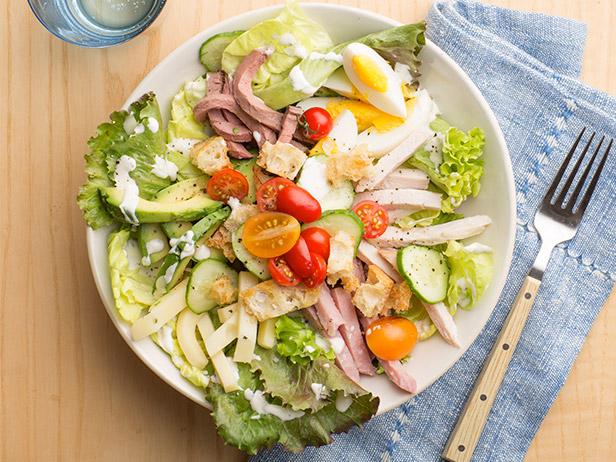
Ingredients
- 1 1/2 pounds Boston, Bibb, green or red leaf lettuce, or a mixture, washed, trimmed, and dried.
- Kosher salt and freshly ground black pepper
- 1 cup dressing of your choice, such as shallot or herb vinaigrette, ranch, or blue cheese.
- 4 ounces imported Swiss cheese, cut into 2-inch long matchstick pieces
- 4 ounces baked ham, cut into 2-inch long matchstick pieces
- 4 ounces smoked turkey, chicken or duck breast, cut into 2-inch long matchstick pieces
- 4 ounces rare roast beef, cut into 1/4-inch by 2 inch matchstick pieces
- 2 hard-cooked eggs, shelled, cut into wedges
- 1 ripe Hass avocado, diced
- 16 vine-ripened cherry or grape tomatoes, halved
- 2 kirby (pickling) cucumbers, sliced
- 1 cup toasted croutons
- Kosher salt and freshly ground black pepper
- 1 cup dressing of your choice, such as shallot or herb vinaigrette, ranch, or blue cheese.
- 4 ounces imported Swiss cheese, cut into 2-inch long matchstick pieces
- 4 ounces baked ham, cut into 2-inch long matchstick pieces
- 4 ounces smoked turkey, chicken or duck breast, cut into 2-inch long matchstick pieces
- 4 ounces rare roast beef, cut into 1/4-inch by 2 inch matchstick pieces
- 2 hard-cooked eggs, shelled, cut into wedges
- 1 ripe Hass avocado, diced
- 16 vine-ripened cherry or grape tomatoes, halved
- 2 kirby (pickling) cucumbers, sliced
- 1 cup toasted croutons
Directions
2) Divide the lettuce among 4 large individual serving bowls.
3) Arrange the cheese, meats, eggs, and avocado, like the spokes of a wheel, on top of each salad. Scatter the tomatoes, cucumbers, and croutons on top.
4) Season with salt and pepper to taste. Serve and pass the remaining dressing at the table.
Cucumber Salad

Ingredients
- 2 English cucumbers (2 pounds)
- 1 1/2 tablespoons salt
- 1 tablespoon plus 1 teaspoon white wine vinegar or sherry vinegar
- 1 teaspoon sugar
- 2 teaspoons dried dill or 2 tablespoons fresh
- 1 1/2 tablespoons salt
- 1 tablespoon plus 1 teaspoon white wine vinegar or sherry vinegar
- 1 teaspoon sugar
- 2 teaspoons dried dill or 2 tablespoons fresh
- 1 small red onion
Directions
1) Slice the cucumber lengthwise and slice thinly.
2) Thinly slice the onion.
3) In a colander, toss the cucumber and onion with the salt and let it sit and drain for 20 minutes. Press the liquid out of the vegetables and rinse well with cold water.
4) In a medium bowl combine the vinegar and sugar and stir well. Add the cucumber mixture and toss to coat. Stir in the dill.
5) Add red chilli or carrot as optional.
Cajun Chicken Pasta Salad
Cajun Chicken Pasta Salad
Ingredients
- 1 cup of spiral pasta
- 1 chicken breast (sliced)
- 1 packet cherry tomato
- 2 cloves garlic
- 1 small onion
- 1/2 lemon (juiced)
- 2 tbs olive oil
- 2 tbs paprika powder
- 1 tsp blackpepper powder
- 2 tsp dried oregano
- 2 tsp chilli flakes
- salt and pepper to taste
Directions
1) Grill chicken for about 8 minutes
2) Mix all the ingredients together
3) Toss well to combine and serve
Monday, 25 December 2017
TDC141 - Report Week 6
Name: Amirah Hamizah Binti Jasmi
Student ID: 00000102300
Short Bread Cookies
Butter - 175g
Soft Flour - 225g
Rice Flour - 60g
Salt - 1/4 tsp
Castor Sugar - 60g
Icing Sugar - 25g
Sugar for Sprinkle
Cashewnut Cookies
Butter - 150g
Brown Sugar - 70g
Soft Flour - 150g
Cashewnut (roasted & chopped) - 40g
Custard Powder - 40g
Peanut Butter - 35g
Cashewnut for garnishing
Chocolate Chips Cookies
Butter - 75g
Castor Sugar - 60g
Brown Sugar - 60g
Salt - 2g
Vanilla Essence - 1/2 tsp
Soft Flour - 50g
Baking Soda - 2g
Chocolate Chips - 50g
Walnut (chopped) - 60g
Cinnamon Cookies
Butter - 88g
Brown Sugar - 175g
Cinnamon Powder - 1g
Egg Yolks - 2nos
Soft Flour - 220g
Almond Flakes - 88g
Softroll
Bread Flour - 150g
HK Flour - 100g
Dried Yeast - 5g
Salt - 25g
Butter - 25g
Egg - 1nos
Water - 125ml
Castor Sugar - 35g
Student ID: 00000102300
Short Bread Cookies
Butter - 175g
Soft Flour - 225g
Rice Flour - 60g
Salt - 1/4 tsp
Castor Sugar - 60g
Icing Sugar - 25g
Sugar for Sprinkle
Cashewnut Cookies
Butter - 150g
Brown Sugar - 70g
Soft Flour - 150g
Cashewnut (roasted & chopped) - 40g
Custard Powder - 40g
Peanut Butter - 35g
Cashewnut for garnishing
Chocolate Chips Cookies
Butter - 75g
Castor Sugar - 60g
Brown Sugar - 60g
Salt - 2g
Vanilla Essence - 1/2 tsp
Soft Flour - 50g
Baking Soda - 2g
Chocolate Chips - 50g
Walnut (chopped) - 60g
Cinnamon Cookies
Butter - 88g
Brown Sugar - 175g
Cinnamon Powder - 1g
Egg Yolks - 2nos
Soft Flour - 220g
Almond Flakes - 88g
Softroll
Bread Flour - 150g
HK Flour - 100g
Dried Yeast - 5g
Salt - 25g
Butter - 25g
Egg - 1nos
Water - 125ml
Castor Sugar - 35g
Subscribe to:
Posts (Atom)