Showing posts with label Theory Of Food. Show all posts

Thursday, 7 September 2017

Our Group Assignment


TDC 111 THEORY OF FOOD 

REPORT

NAME: AMIRAH HAMIZAH BINTI JASMI

STUDENT ID: 00000102300

LECTURER'S NAME: CHEF MOHD NA'AIM MOHAMED

Date: 19th August 2017
Time: 8.00 a.m - 11.00 a.m
Location: Pasar Besar Kota Kinabalu, Suria Sabah Shopping Mall & Tong Hing Supermarket.
PIC: Chef Azni & Chef Khairul
Team Leader: Muhammad Nur Iman

Subject: TDC 312 INTERNATIONAL CUISINE
              TDC 302 MALAYSIAN CUISINE
              TDC 322 COMMERCIAL FOOD PRODUCTION

*We seperated into 2 groups to buy all the products. 

First group bought product for Malaysian Cuisine and Commercial food production subjects. Meanwhile, second group bought items for international cuisine subject. 

First Group: Muhammad Nur Iman Bin Abdul Razak
                   Siti Syahana Binti Mohd Syahrin
                   Reski Bin Tamrin
                   Jerome Luis
                   Molenah Sabian

Second Group: Amirah Hamizah Binti Jasmi
                       Debbie Bernard
                       Nur Affiqah Awang
                       Rusdi Bin Manja
                       Mohd Syazrin Sharin Bin Awang Mohamad


First group destination is Pasar Besar Kota Kinabalu, Sabah 


List item for Malaysian Cuisine:
- Red Onion (1kg)
- Garlic (1kg)
- Liquid Milk (3 cans)
- Corn Flour (1kg) 
- Burs Soup (3 pieces)
- Parsley (3 tiers)
- Instant coconut milk (500 ml)
- Sugar (1kg)
- Whole chicken (2)
- Chicken Breast (2kg)
- Prawn (1kg)
- Beef Bone (1.5kg)
- Cucumber (3 bars)
- Egg plant (3 bars)

Jerome and Molenah in deciding to choose good products


*then we move to our second destination, Suria Sabah Shopping Mall to buy Commercial Food Products (because some of the items listed cannot be found in pasar besar 😒)


Suria Sabah Shopping Mall
*Here, we went to City Groceries Supermarket. Whee~~

Team members enjoyed shopping groceries
Then, here goes the second group.. 😁

First destination: Tong Hing Supermarket


*Guess what ?? we're here just to find one thing
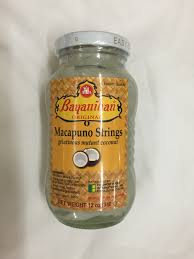
This ?!!
Macapuno String (1 jar) 🙈

*then we move on to the next destination~


Suria Sabah Shopping Mall and met with the other team members ~

Here, we're looking for a lot of things. A LOT ! 😏

List ingredient International Cuisine
- Chicken Breast (1 kg)
- Spaghetti (1 pkt)
- Egg (1 tray) 
- Liquid milk (2 cans)
- Condensed milk (2 cans)
- Coconut cream (400 ml)
- Coconut (3 coconuts)
- Cassava (2 kg)
- Ice Cream Vanilla (1 pack) 
- Pineapple (1kg)

*and some other things that we don't actually need 😂

this is like 1/4 things that we found in City Groceries Supermarket


Sunday, 27 August 2017

Understanding Fish and Shellfish


Composition and Structure
*The edible fish is like meat and poultry, consisting of water, protein, fats and a small amount of minerals and vitamins. 
*Fish has very little connective tissue. That is why fish,
- Cooks quickly
- Fish is naturally tender
- Moist-heat cooking is not used to tenderize but to provide moistness. 
- When cooked, fish tend to fall apart easily. 

Cooking Fat and Lean Fish

Lean Fish (low in fat, exp: flounder, sole and cod): 
- Moist-heat method: Lean fish is well suited to poaching. 
- Dry-heat method: If broiled or baked, lean fish should be basted. 
- Dry-heat method with fat:  Lean fish may be fried or sauteed. The fish gains added palatability from the added fat. 


Baked cod Fish
Fat Fish (high in fat, exp: Salmon, tuna, trout and mackerel):
- Moist-heat method: Fat fish can be poach like lean fish.
- Dry-heat method: Fat fish are well suited to broiling and baking. It removes excess oilness. 
- Dry-heat method with fat: Fat fish can be cooked in fat, but take care to drain before serving. 


Herb Baked Salmon
Fish Market Forms

1. Whole / Round


2. Dressed


3. Steaks


4. Fillet


5. Butterflied Fillet


6. Sticks or Tranches


Handling and Storing Fish
- All fish should be stored in -1 degree celsius to 1 degree celsius.
- Keep Moist
- Protect the delicate flesh from bruising and being crushed.

Freshness of Fish can be checked by:
1. Smell
2. Eyes
3. Gills
4. Texture
5. Fin and scales
6. Appearence
7. Movement


Saturday, 26 August 2017

Understanding Poultry and Game Birds

*Yeehaaa~ here we go again with the new topic 🙌 This time, we'll learn about birds ! yeayyy~ 🙆


Tips #1: Young birds are almost always more tender than the old one.
Tips #2: Birds that fly always have dark meat.

"Dark Meat" and "Light Meat"
➥ Dark Meat (Thigh and Drumsticks): More fat, More connective tissue and Longer cooking time.
➥ Light Meat (Breast and wings): Less fat, Less connective tissue and cooks faster.

A Major Problem With Roasting

*A mojor problems with roasting is cooking the legs to doneness without overcooking the breast consist of:
1. Barding
2. Roasting Seperately
3. Basting fat only
4. Roasting birds fat down for part of the time.


Classification and Market Form
Kind - Species such as chicken, duck and turkey.
Class - The subdivision of kind, depending on age and sex.
Style - Amount of cleaning and processing: live, dressed, whole, in parts and ready-to-cook.
State of refrigeration - chilled or frozen.

Handling and Storing
〠 Fresh
〠 Frozen
〠 Cut-up
〠 Portioned controlled
〠 Indivual quick frozen
- Extremely Perishable
- Do not cross-contiminate
- Often carries salmonella bacteria

*that it y'all~ see you in the next entry 👋👋👋

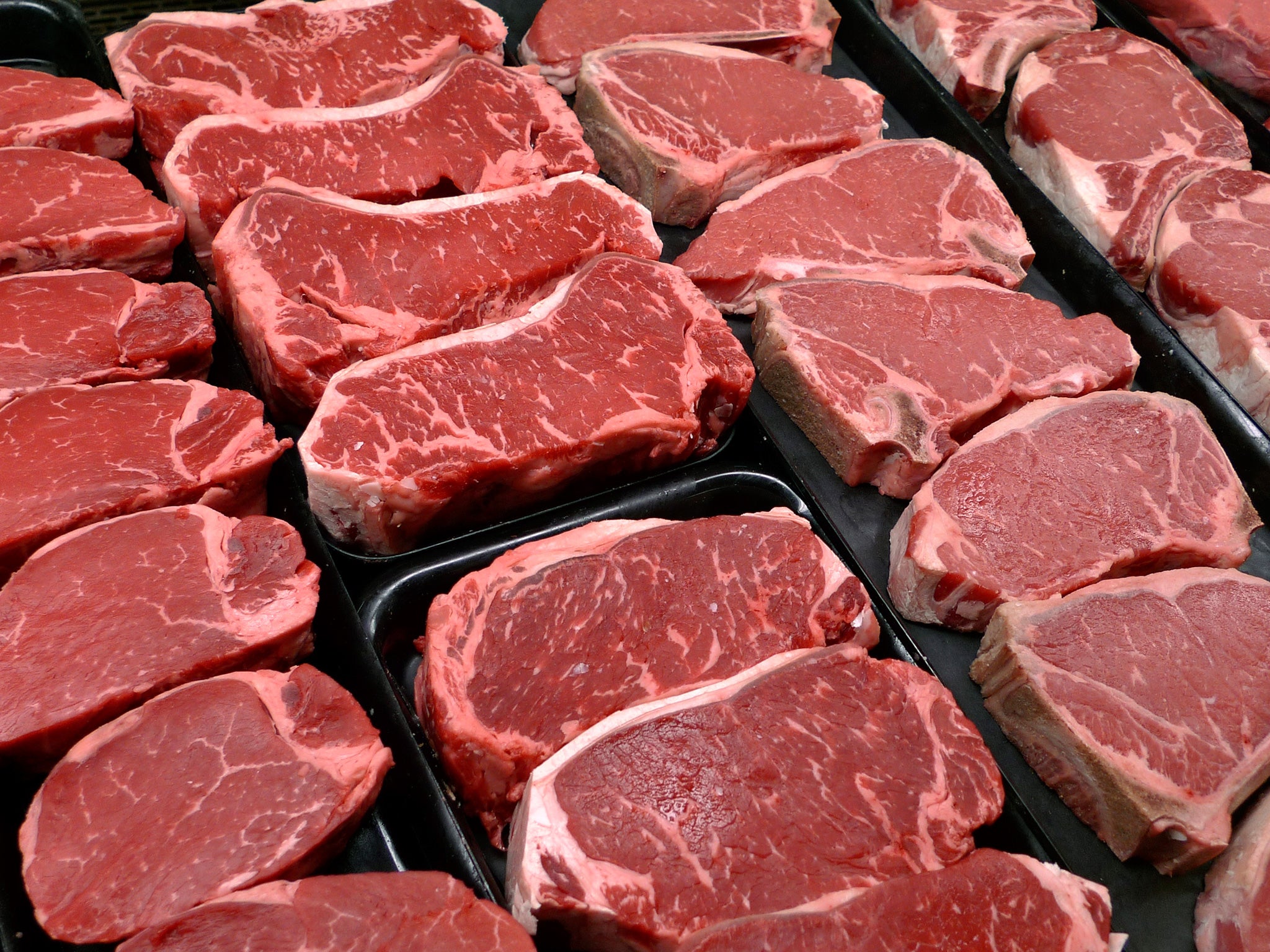
Understanding Meat

Hi guys ~ 🙋 this is the fourth chapter of Theory of Food *pheww~*
So today.. I will explain everything you need to know about meat *yeehaaaaaa~~ 😭

Lets get started.. shall we ?

What is meat ?
- Meat is tissue muscle.
- It is the flesh of domestic animals 🐄 and of wild game animals 🐗

Composition of Meat:
- 75% of water *who would've thought ?? 😲
- Consist of 20% of protein, an important nutrient
- FAT : 5% of muscle tissue and as much as 30% of carcass.
- Carbohydrate

Meats are cut based on:
1. Meats and bones structure of the meat.
2. Uses and appropriate cooking methods for various parts of meat.

*psstt~ marbling FAT adds tenderness and flavour to meat. Yummss~ 😋


Inspection of meat

- All meat produced for the public consumption must be inspected by the USDA.
- Inspection ensure products are processed under strict sanitary guidelines and are wholesome and fit for human consumption.

Yield: Is the amount of edible meat to bone and fat ratio.
Grading: Is voluntary and some purveyors and retailers develop their own labeling system to ensure their quality.

Green Meat
⟿ When animals are slaughtered, their meat are soft and flabby.
⟿ Within 6-24 hours rigor mortis sets in, causing the muscle to contract and stiffen.
⟿ Rigor mortis dissipates in 48-72 hours while under refrigeration.

*feeling sick la pulok while typing.. 😖

Aging Methods
*Aging is done to bring out the texture and flavour characteristic of the meat.
- Wet Aging: smaller cuts enclosed in plastic vacuum packs.
- Dry Aging: Larger cuts of meat exposed to air in controlled conditions. *can lose up 20% of weight during dry aging.

Dry Aging Method

Wet Aging Method
Understanding Basic cuts
Carcasses - the whole animal except head, feet, entrails, and hide (except pork from which only head and entrils removed)
Fabricated cuts: Primal cuts of meat are fabricated into smaller cuts for roasts, steaks, chops, cutlets, stewing meat, and ground meat or customer specification.
Portion-controlled cuts: Cuts- ready to cook, processed to customer specification.


*So.. thats it guys !~ thats all you need to know about meat 😍


Thursday, 27 July 2017

Sauces

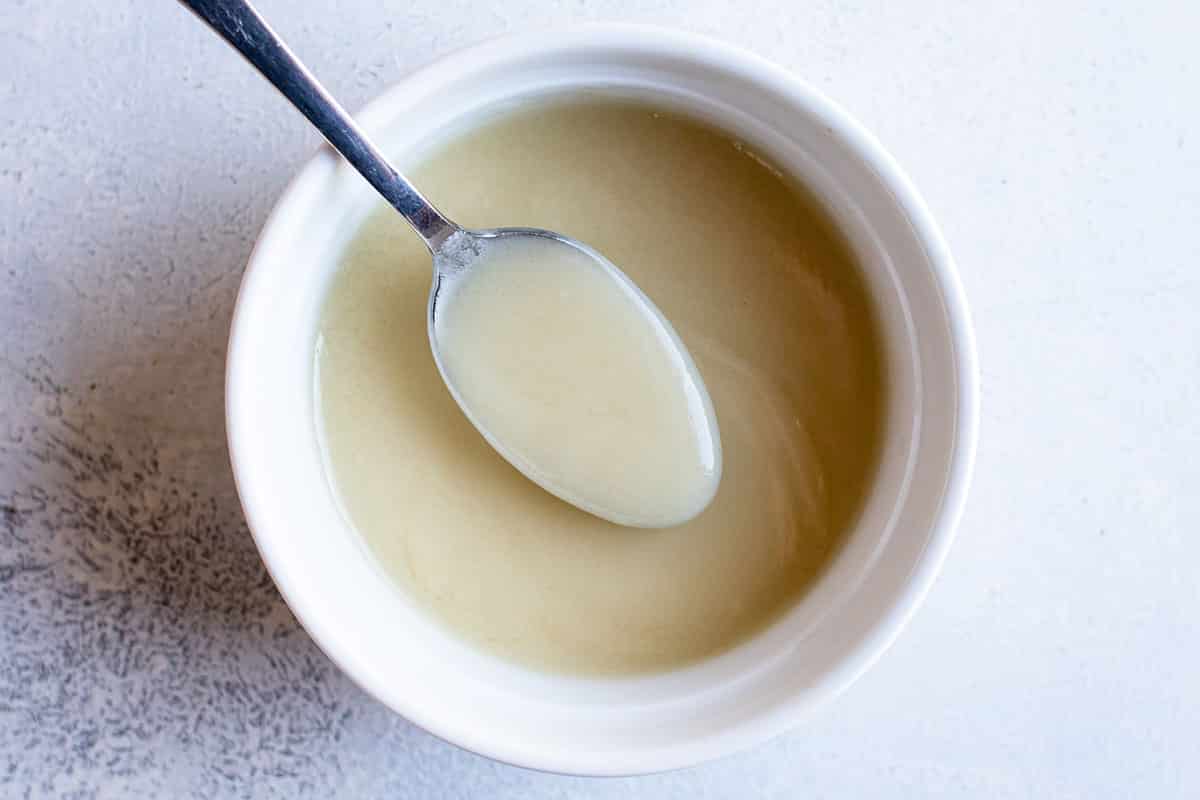
*Sauce is a liquid plus thickening agent and seasonings*


Different types of sauces
Making Fine Sauce:
1. Make good stocks
2. Thickening agent (for good texture, flavour and appearance)
3. Seasoning (for flavouring.. duhh)

Thickening Agents (Roux)

White Roux - Cooked briefly, used in white sauces.
Blonde Roux - Used in ivory-coloured sauces, cooked slightly longer to have colour.
Brown Roux - Cooked until develop darker colour, used in brown sauces.


Other Thickening Agents


Arrow Root

Liaison

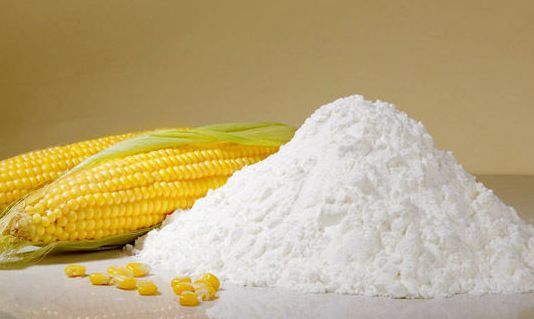
Corn Starch

Beurre Manie

5 Leading Sauces (Mother of all Sauces)

1. Bechamel


2. Veloute


3. Espagnole


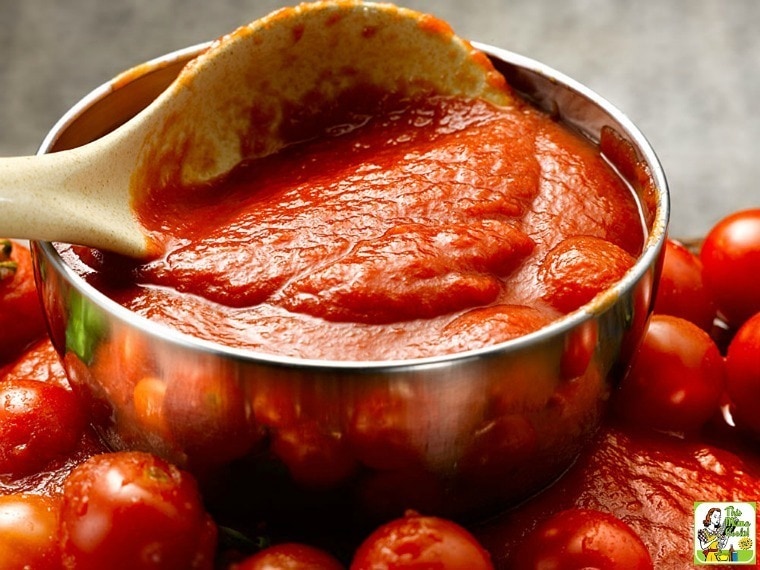
4. Tomato


5. Hollandaise

Saturday, 15 July 2017

Stocks


ni haa.. mise-en-place
- In French term, it means put everything in place.
- Meanwhile in culinary context, it means elementary preparation steps of food preparation. 

What is Stocks ? 
- A flavourful liquid.

- The French used to call it base/fond base as it is the basis of many classic and modern dishes. 

What is the ingredients of making stocks ? 
1. Bones - Beef, Veal, Chicken, Fish, Lamb, Turkey, Game, Ham
2. Mirepoix - Mixture of 50% onions, 25% of carrots and 25% of celery
3. Flavouring - Peppercorns, Bay leaves, Thyme, Parsley stems and garlic
4. WATER (kalau tkda water tk jadi la stock kiteww.. kuikuikui)


Thursday, 29 June 2017

Introduction Of Food

What is Food ?

A liquid or solid that can be swallowed. It provides the body with the materials that enabling to carry out one or more function.
Eg: growth and repairing, energy production, and regulation of all body activities.

Foods contains 5 important nutrients:
- Carbohydrates
- Protein
- Vitamins
- Minerals
- Fat

What is cooking ?

It is defined as the transfer of energy from the heat sources to the food and alter the food molecular structure by:
- Aroma
- Appearance
- Flavour
- Changing of texture

What Happens to The Nutrients When We Cook It ??

1. Carbohydrate - Simple Sugar Caramelized
2. Fat - Melt
3. Proteins - Coagulate
4. Vitamins & Minerals - Oxidized
5. Water - Evaporates

Why Do We Cook ?


1. So that it will taste delicious (duhh..)
2. To destroy undesireable microorganism
3. Easy digestion


Methods of Heat Transfer
- Conduction : Heat moving within items
- Convection : Heat spread by the movement of air, steam or liquid
- Radiation : Energy transferred by waves. eg: Infrared cooking / Microwave cooking