Sunday, 27 August 2017

Understanding Fish and Shellfish


Composition and Structure
*The edible fish is like meat and poultry, consisting of water, protein, fats and a small amount of minerals and vitamins. 
*Fish has very little connective tissue. That is why fish,
- Cooks quickly
- Fish is naturally tender
- Moist-heat cooking is not used to tenderize but to provide moistness. 
- When cooked, fish tend to fall apart easily. 

Cooking Fat and Lean Fish

Lean Fish (low in fat, exp: flounder, sole and cod): 
- Moist-heat method: Lean fish is well suited to poaching. 
- Dry-heat method: If broiled or baked, lean fish should be basted. 
- Dry-heat method with fat:  Lean fish may be fried or sauteed. The fish gains added palatability from the added fat. 


Baked cod Fish
Fat Fish (high in fat, exp: Salmon, tuna, trout and mackerel):
- Moist-heat method: Fat fish can be poach like lean fish.
- Dry-heat method: Fat fish are well suited to broiling and baking. It removes excess oilness. 
- Dry-heat method with fat: Fat fish can be cooked in fat, but take care to drain before serving. 


Herb Baked Salmon
Fish Market Forms

1. Whole / Round


2. Dressed


3. Steaks


4. Fillet


5. Butterflied Fillet


6. Sticks or Tranches


Handling and Storing Fish
- All fish should be stored in -1 degree celsius to 1 degree celsius.
- Keep Moist
- Protect the delicate flesh from bruising and being crushed.

Freshness of Fish can be checked by:
1. Smell
2. Eyes
3. Gills
4. Texture
5. Fin and scales
6. Appearence
7. Movement




Saturday, 26 August 2017

Understanding Poultry and Game Birds

*Yeehaaa~ here we go again with the new topic 🙌 This time, we'll learn about birds ! yeayyy~ 🙆


Tips #1: Young birds are almost always more tender than the old one.
Tips #2: Birds that fly always have dark meat.

"Dark Meat" and "Light Meat"
➥ Dark Meat (Thigh and Drumsticks): More fat, More connective tissue and Longer cooking time.
➥ Light Meat (Breast and wings): Less fat, Less connective tissue and cooks faster.

A Major Problem With Roasting

*A mojor problems with roasting is cooking the legs to doneness without overcooking the breast consist of:
1. Barding
2. Roasting Seperately
3. Basting fat only
4. Roasting birds fat down for part of the time.


Classification and Market Form
Kind - Species such as chicken, duck and turkey.
Class - The subdivision of kind, depending on age and sex.
Style - Amount of cleaning and processing: live, dressed, whole, in parts and ready-to-cook.
State of refrigeration - chilled or frozen.

Handling and Storing
〠 Fresh
〠 Frozen
〠 Cut-up
〠 Portioned controlled
〠 Indivual quick frozen
- Extremely Perishable
- Do not cross-contiminate
- Often carries salmonella bacteria

*that it y'all~ see you in the next entry 👋👋👋

Understanding Meat

Hi guys ~ 🙋 this is the fourth chapter of Theory of Food *pheww~*
So today.. I will explain everything you need to know about meat *yeehaaaaaa~~ 😭

Lets get started.. shall we ?

What is meat ?
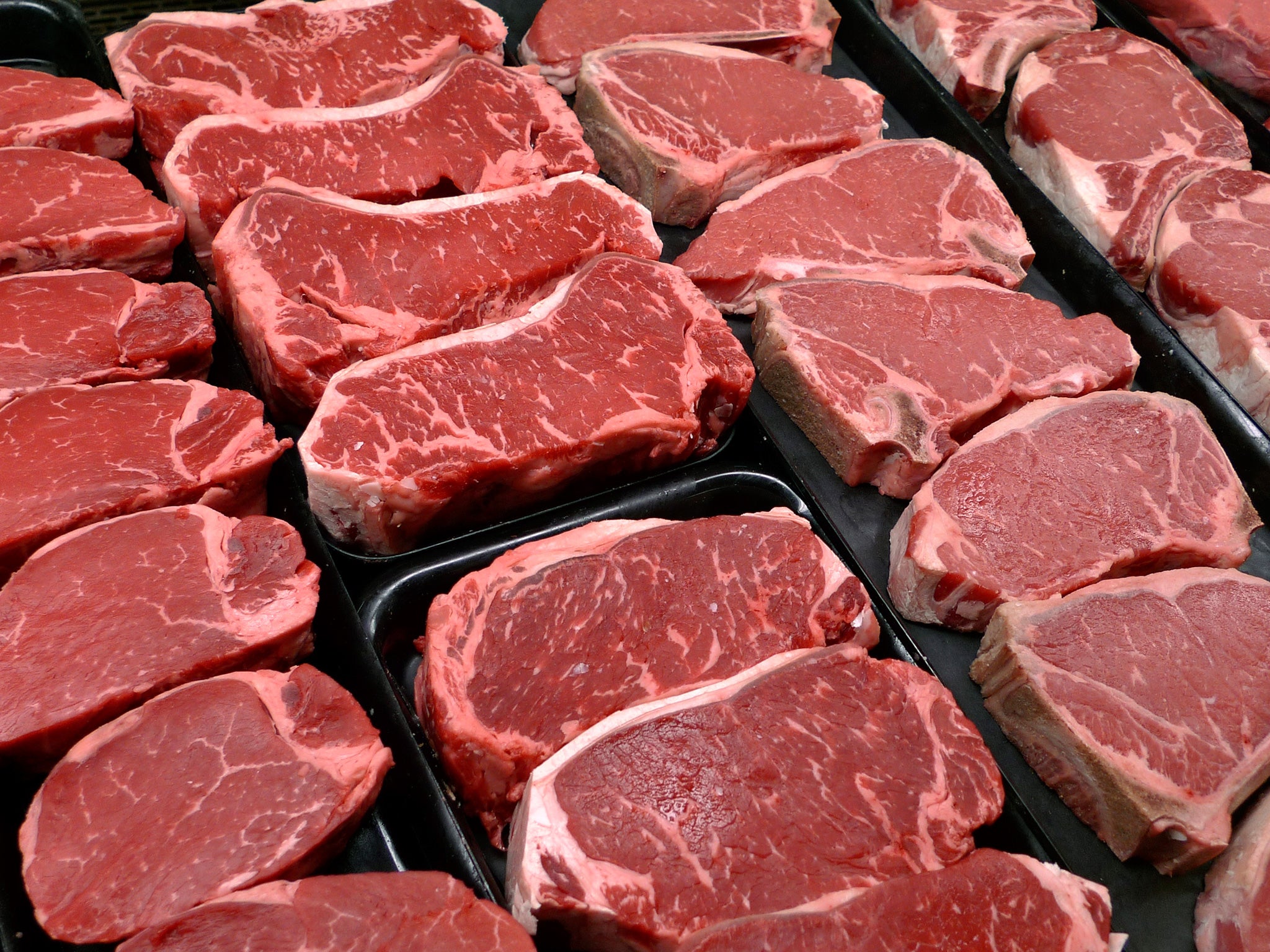
- Meat is tissue muscle.
- It is the flesh of domestic animals 🐄 and of wild game animals 🐗

Composition of Meat:
- 75% of water *who would've thought ?? 😲
- Consist of 20% of protein, an important nutrient
- FAT : 5% of muscle tissue and as much as 30% of carcass.
- Carbohydrate

Meats are cut based on:
1. Meats and bones structure of the meat.
2. Uses and appropriate cooking methods for various parts of meat.

*psstt~ marbling FAT adds tenderness and flavour to meat. Yummss~ 😋


Inspection of meat

- All meat produced for the public consumption must be inspected by the USDA.
- Inspection ensure products are processed under strict sanitary guidelines and are wholesome and fit for human consumption.

Yield: Is the amount of edible meat to bone and fat ratio.
Grading: Is voluntary and some purveyors and retailers develop their own labeling system to ensure their quality.

Green Meat
⟿ When animals are slaughtered, their meat are soft and flabby.
⟿ Within 6-24 hours rigor mortis sets in, causing the muscle to contract and stiffen.
⟿ Rigor mortis dissipates in 48-72 hours while under refrigeration.

*feeling sick la pulok while typing.. 😖

Aging Methods
*Aging is done to bring out the texture and flavour characteristic of the meat.
- Wet Aging: smaller cuts enclosed in plastic vacuum packs.
- Dry Aging: Larger cuts of meat exposed to air in controlled conditions. *can lose up 20% of weight during dry aging.

Dry Aging Method

Wet Aging Method
Understanding Basic cuts
➻ Carcasses - the whole animal except head, feet, entrails, and hide (except pork from which only head and entrils removed)
➻ Fabricated cuts: Primal cuts of meat are fabricated into smaller cuts for roasts, steaks, chops, cutlets, stewing meat, and ground meat or customer specification.
➻ Portion-controlled cuts: Cuts- ready to cook, processed to customer specification.


*So.. thats it guys !~ thats all you need to know about meat 😍


Thursday, 27 July 2017

Sauces

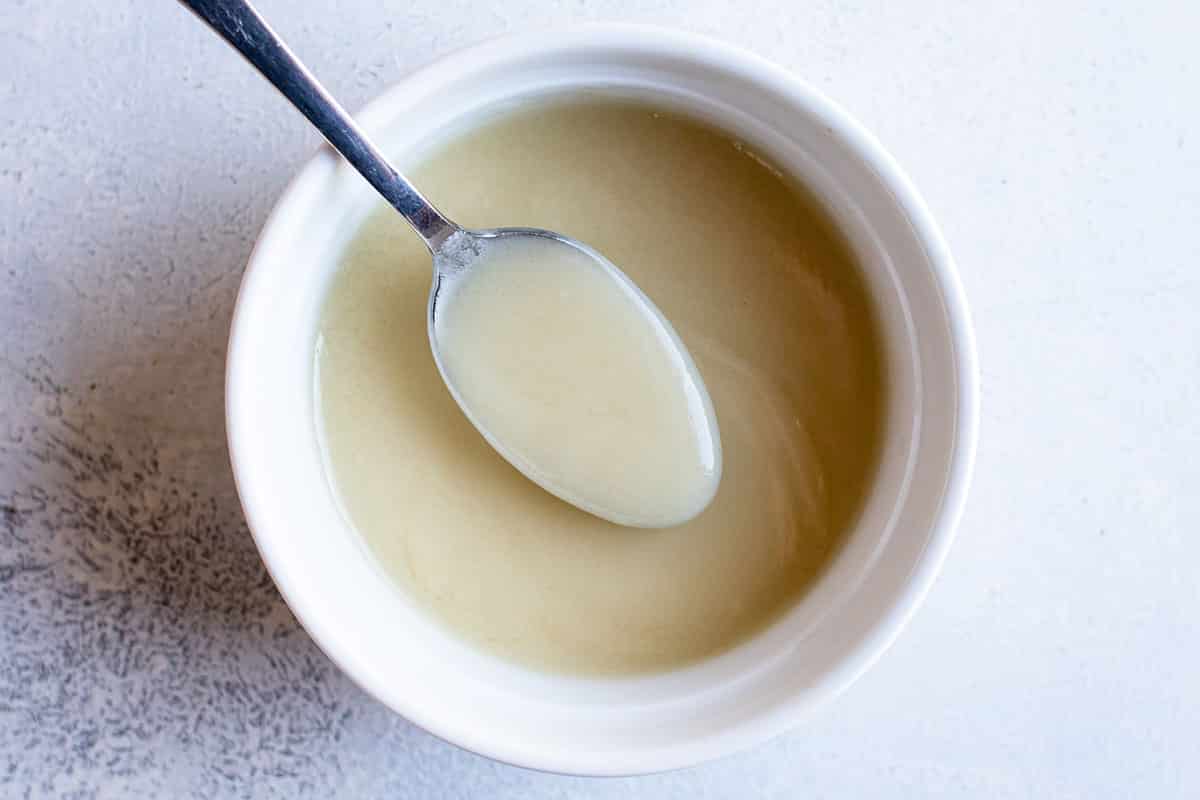
*Sauce is a liquid plus thickening agent and seasonings*


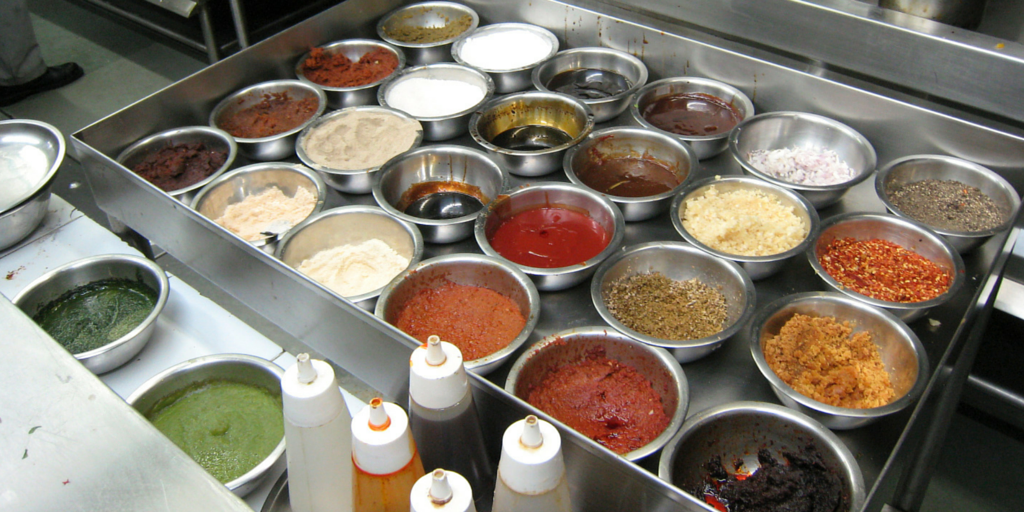
Different types of sauces
Making Fine Sauce:
1. Make good stocks
2. Thickening agent (for good texture, flavour and appearance)
3. Seasoning (for flavouring.. duhh)

Thickening Agents (Roux)

White Roux - Cooked briefly, used in white sauces.
Blonde Roux - Used in ivory-coloured sauces, cooked slightly longer to have colour.
Brown Roux - Cooked until develop darker colour, used in brown sauces.


Other Thickening Agents


Arrow Root

Liaison

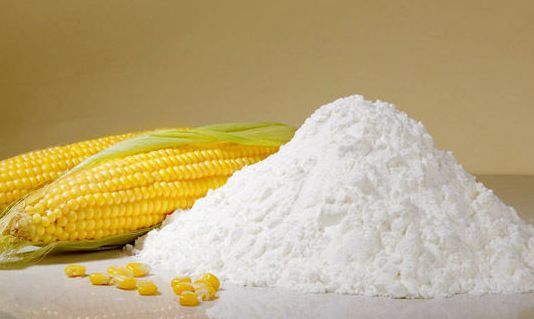
Corn Starch

Beurre Manie

5 Leading Sauces (Mother of all Sauces)

1. Bechamel


2. Veloute


3. Espagnole


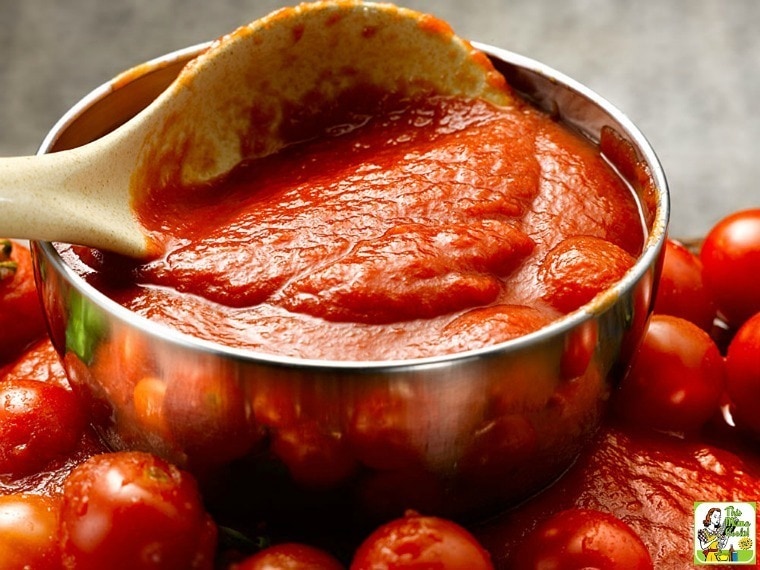
4. Tomato


5. Hollandaise

Saturday, 15 July 2017

Stocks


ni haa.. mise-en-place
- In French term, it means put everything in place.
- Meanwhile in culinary context, it means elementary preparation steps of food preparation. 

What is Stocks ? 
- A flavourful liquid.

- The French used to call it base/fond base as it is the basis of many classic and modern dishes. 

What is the ingredients of making stocks ? 
1. Bones - Beef, Veal, Chicken, Fish, Lamb, Turkey, Game, Ham
2. Mirepoix - Mixture of 50% onions, 25% of carrots and 25% of celery
3. Flavouring - Peppercorns, Bay leaves, Thyme, Parsley stems and garlic
4. WATER (kalau tkda water tk jadi la stock kiteww.. kuikuikui)


Thursday, 29 June 2017

Introduction Of Food

What is Food ?

A liquid or solid that can be swallowed. It provides the body with the materials that enabling to carry out one or more function.
Eg: growth and repairing, energy production, and regulation of all body activities.

Foods contains 5 important nutrients:
- Carbohydrates
- Protein
- Vitamins
- Minerals
- Fat

What is cooking ?

It is defined as the transfer of energy from the heat sources to the food and alter the food molecular structure by:
- Aroma
- Appearance
- Flavour
- Changing of texture

What Happens to The Nutrients When We Cook It ??

1. Carbohydrate - Simple Sugar Caramelized
2. Fat - Melt
3. Proteins - Coagulate
4. Vitamins & Minerals - Oxidized
5. Water - Evaporates

Why Do We Cook ?


1. So that it will taste delicious (duhh..)
2. To destroy undesireable microorganism
3. Easy digestion


Methods of Heat Transfer
- Conduction : Heat moving within items
- Convection : Heat spread by the movement of air, steam or liquid
- Radiation : Energy transferred by waves. eg: Infrared cooking / Microwave cooking